Tin vs. Stainless Steel Lining: Which Should You Choose?
Understanding the difference between tin-lined and stainless steel-lined copper cookware is essential to choosing the perfect Ruffoni collection for your cooking style. Both linings offer exceptional performance, but each serves different culinary needs.
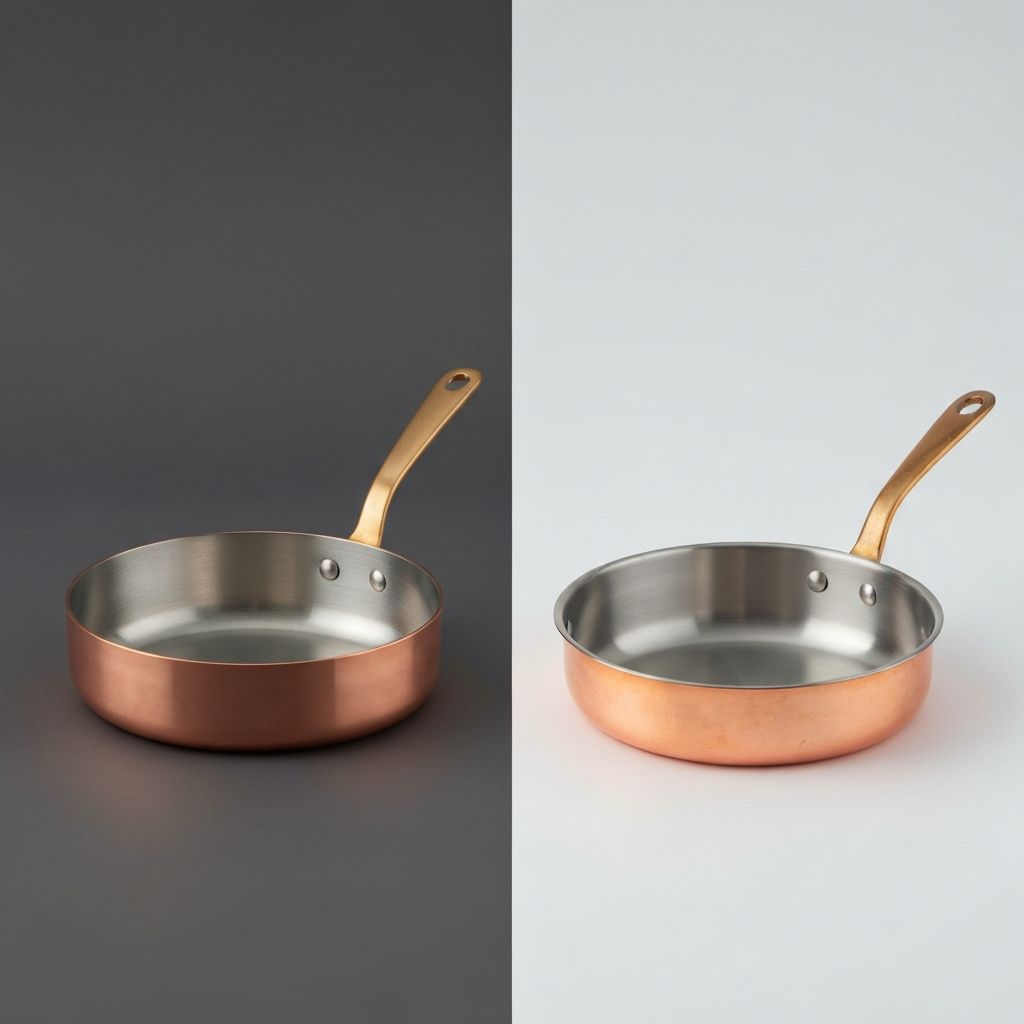
The Science Behind Copper Cookware Linings
Copper is the ultimate heat conductor, transferring thermal energy faster than any other common cookware metal. However, copper reacts with acidic foods and cannot directly contact ingredients. This is where the lining becomes crucial—it provides a safe, non-reactive cooking surface while allowing copper to work its thermal magic.
Heat Transfer Excellence
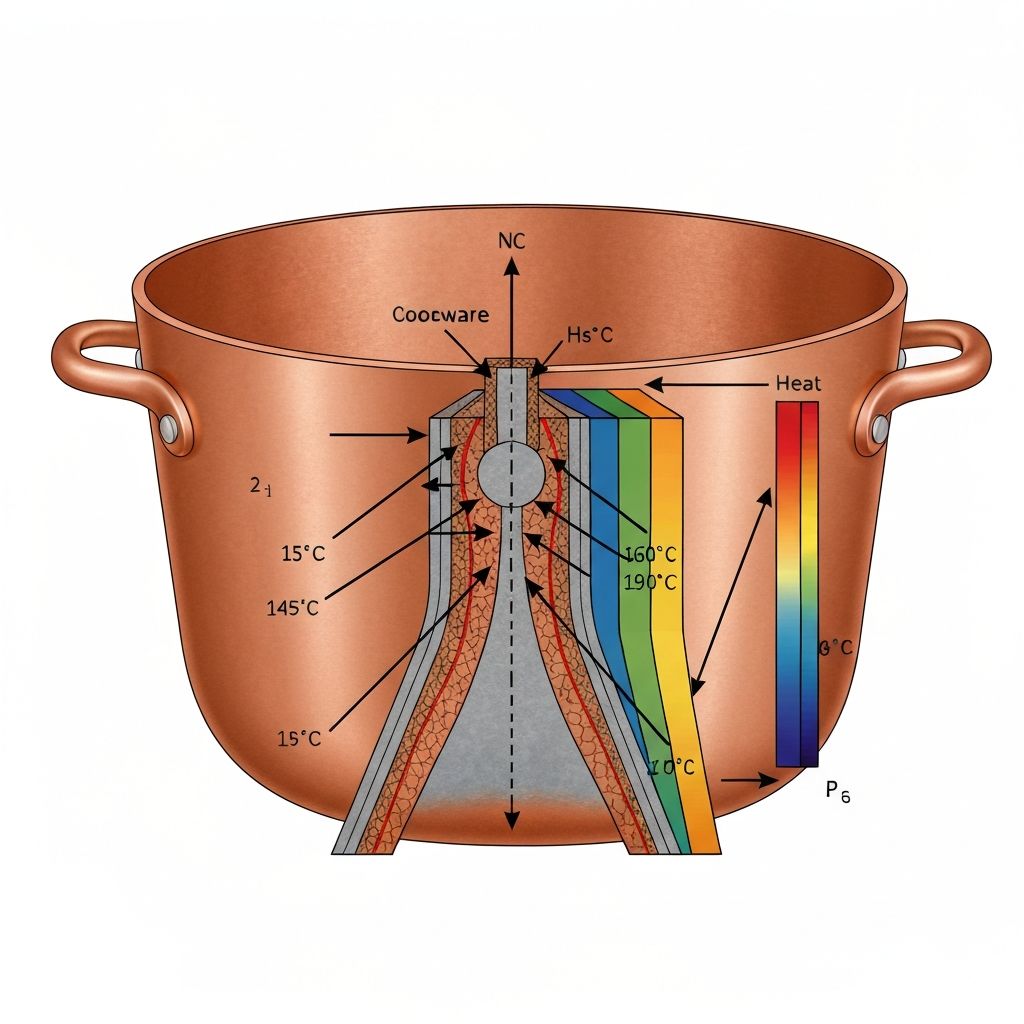
Copper cookware provides unmatched thermal conductivity—approximately 20 times better than stainless steel. This means instantaneous heat response when you adjust your burner, giving you precise temperature control for delicate sauces, reductions, and temperature-sensitive dishes.
The Role of the Lining
While copper handles the heat distribution, the interior lining provides the cooking surface. The lining material determines utensil compatibility, maintenance requirements, maximum temperature tolerance, and the pan's natural non-stick properties. Your choice of lining fundamentally shapes your cooking experience.
The Traditionalist's Choice: Hand-Tinned Copper
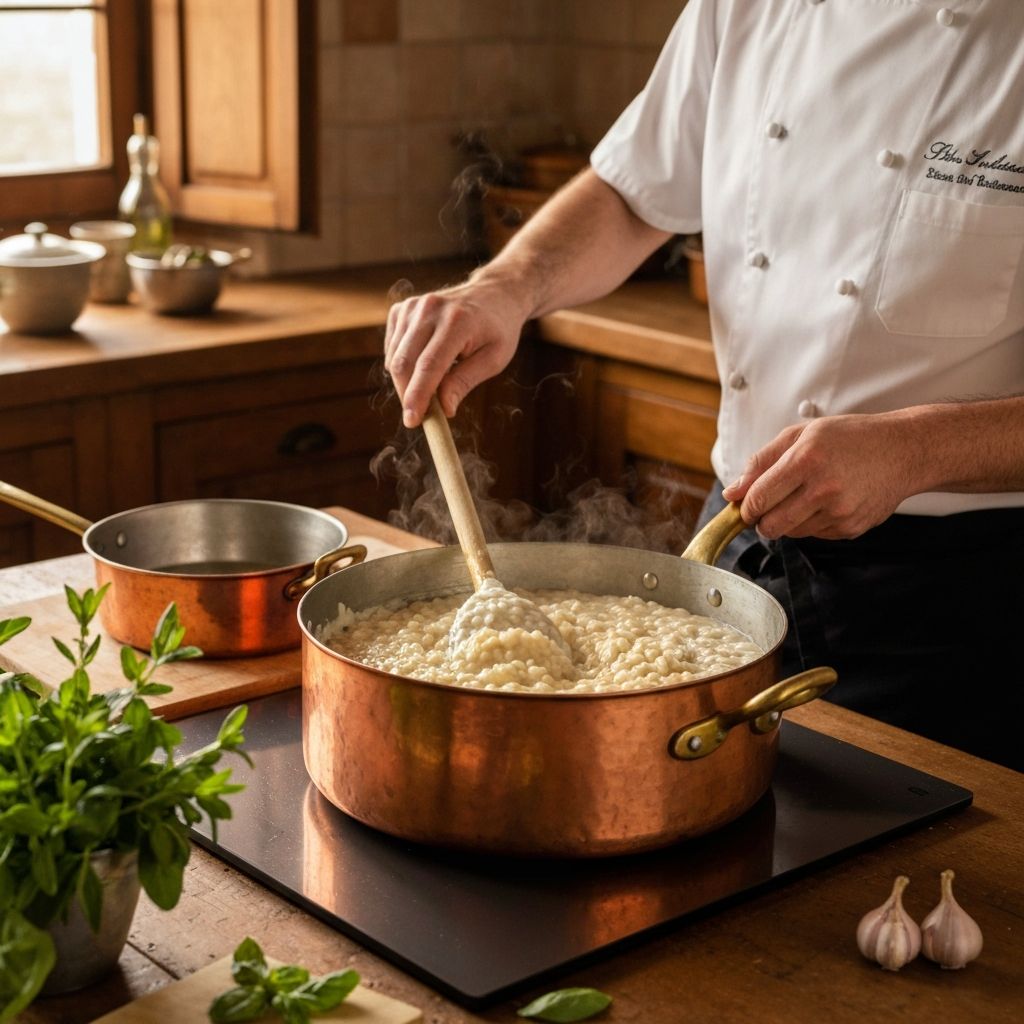
For over 8,000 years, tin has been the traditional lining for copper cookware. The Historia collection continues this artisan practice with hand-wiped tin interiors applied by master craftsmen. Tin lining creates a naturally smooth, non-stick surface that professional chefs prize for delicate preparations.
Tin Lining Advantages
- Naturally Non-Stick Surface: Food releases effortlessly without seasoning or oil buildup. Perfect for eggs, fish, and delicate sauces that would stick to stainless steel.
- Superior Heat Transfer: Tin conducts heat better than stainless steel, providing the absolute fastest temperature response for precision cooking techniques like reducing sauces or tempering chocolate.
- Gentle on Ingredients: The smooth tin surface is ideal for delicate foods that require gentle handling, from risotto to poached fruits.
- Authentic Traditional Craftsmanship: Each piece is hand-tinned by skilled artisans using centuries-old techniques passed through generations.
Tin Lining Considerations
- Temperature Limit (450°F): Tin melts at 450°F, so this cookware cannot be used for high-heat searing or broiling. Ideal for stovetop cooking at low to medium temperatures.
- Requires Periodic Retinning: With regular use, tin wears naturally and needs professional retinning every 10-20 years depending on usage intensity.
- Wooden/Silicone Utensils Only: Metal utensils can scratch the tin surface and accelerate wear. Use wooden spoons, silicone spatulas, or other non-metal tools.
- Hand-Wash Only: Dishwashers are too harsh for tin-lined copper. Hand-washing and immediate drying are required to maintain the lining.
Who Should Choose Tin-Lined Copper?
The purist cook, the risotto master, sauce specialists, slow-cooking enthusiasts, and those who appreciate traditional craftsmanship and are willing to care for heirloom-quality cookware. Perfect for French sauces, Italian risotto, poaching, braising, and any technique requiring precise low-to-medium heat control.
The Modernist's Choice: Stainless Steel Lined Copper
Stainless steel lining brings modern durability and versatility to copper cookware. The Opus Cupra, Opus Prima, Symphonia Cupra, and Symphonia Prima collections feature high-grade stainless steel interiors that withstand professional kitchen demands while maintaining copper's exceptional heat distribution.
Stainless Steel Lining Advantages
- Indestructible Durability: Stainless steel won't wear out, melt, or degrade. Your Ruffoni cookware is truly a lifetime investment requiring no retinning or resurfacing.
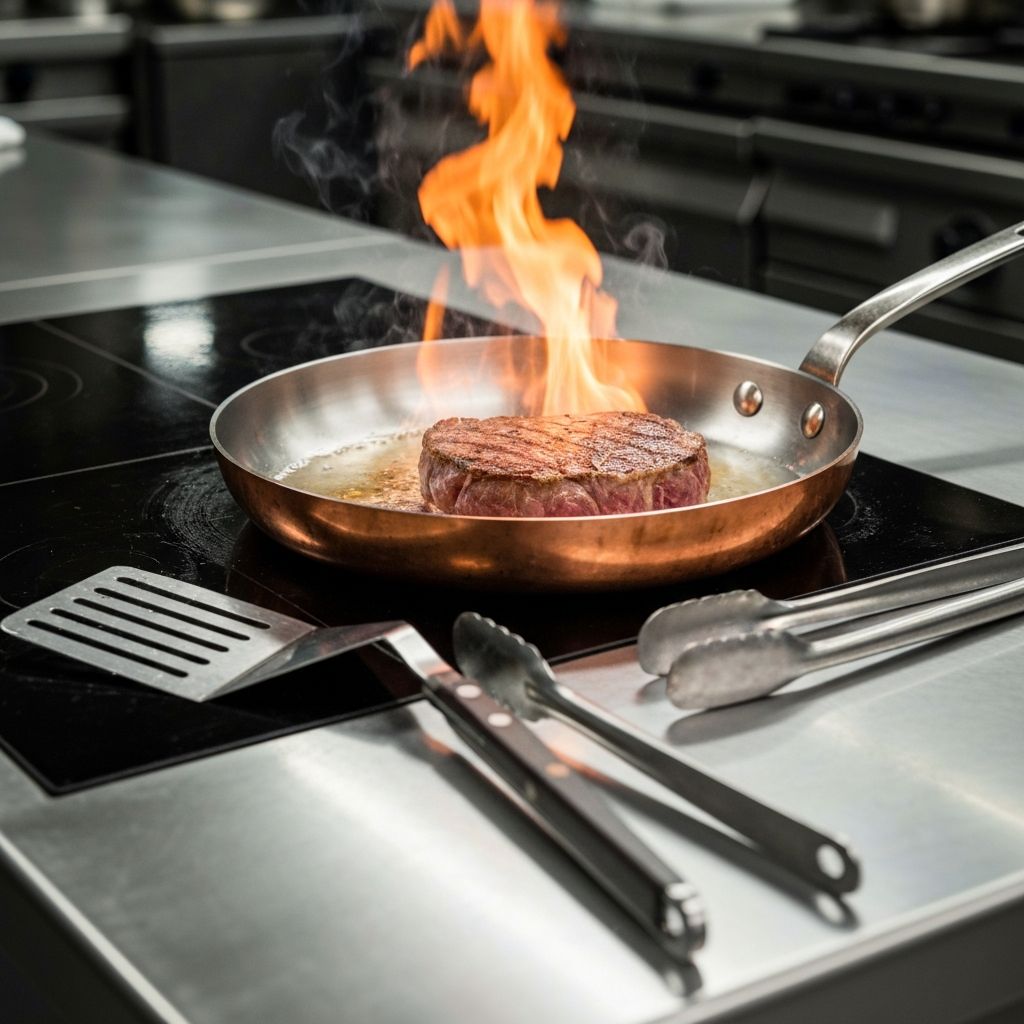
- High-Heat Capability: Safe for temperatures exceeding 500°F, perfect for searing steaks, browning proteins, and achieving restaurant-quality crusts.
- Metal Utensil Safe: Use whisks, metal spatulas, and all professional kitchen tools without worrying about scratching or damaging the cooking surface.
- Zero Maintenance: No retinning, no special care requirements. Hand-wash to protect the copper exterior, but the stainless interior is virtually maintenance-free.
- Oven and Broiler Safe: Move directly from stovetop to oven or under the broiler for versatile cooking techniques.
Stainless Steel Lining Considerations
- Slightly Slower Heat Response: While still far superior to most cookware, stainless steel transfers heat marginally slower than tin. The difference is minimal but noticeable to professionals.
- Not Naturally Non-Stick: Food can stick if proper techniques aren't used. Preheating, adequate fat, and proper temperature management prevent sticking.
- Requires Cooking Technique: Mastering stainless steel cooking involves learning when the pan is properly preheated and when proteins naturally release from the surface.
Who Should Choose Stainless Steel-Lined Copper?
The busy home chef, steak and protein enthusiasts, those who want worry-free durability, cooks who prefer metal utensils, anyone seeking "buy it for life" cookware without maintenance, and kitchens requiring versatility from stovetop to oven. Ideal for searing, browning, deglazing, high-heat cooking, and general-purpose use.
Side-by-Side Comparison: Tin vs. Stainless Steel
A comprehensive comparison of tin-lined and stainless steel-lined copper cookware across all critical performance factors to help you make an informed decision.
| Feature | Tin Lining (Historia) | Stainless Steel (Opus/Symphonia) |
|---|---|---|
Maximum Temperature | 450°F (232°C) | 500°F+ (260°C+) |
Utensil Compatibility | Wood, silicone only | All utensils including metal |
| Heat Transfer Speed | Excellent (fastest) | Excellent (slightly slower) |
| Non-Stick Properties | Naturally non-stick | Requires proper technique |
Maintenance Requirements | Retinning every 10-20 years | None (lifetime durability) |
| Oven & Broiler Safe | Oven only (low temp) | Yes, fully safe |
| Dishwasher Safe | No (hand-wash only) | No (hand-wash recommended) |
| Best For | Sauces, risotto, poaching, delicate proteins | Searing, browning, high-heat cooking, daily use |
| Surface Feel | Smooth, slippery | Slightly textured |
| Durability | Excellent (wears over decades) | Indestructible |
| Cooking Style | Traditional, gentle techniques | Modern, versatile techniques |
| Recommended Collections | Historia Collection | Opus Cupra, Opus Prima, Symphonia lines |
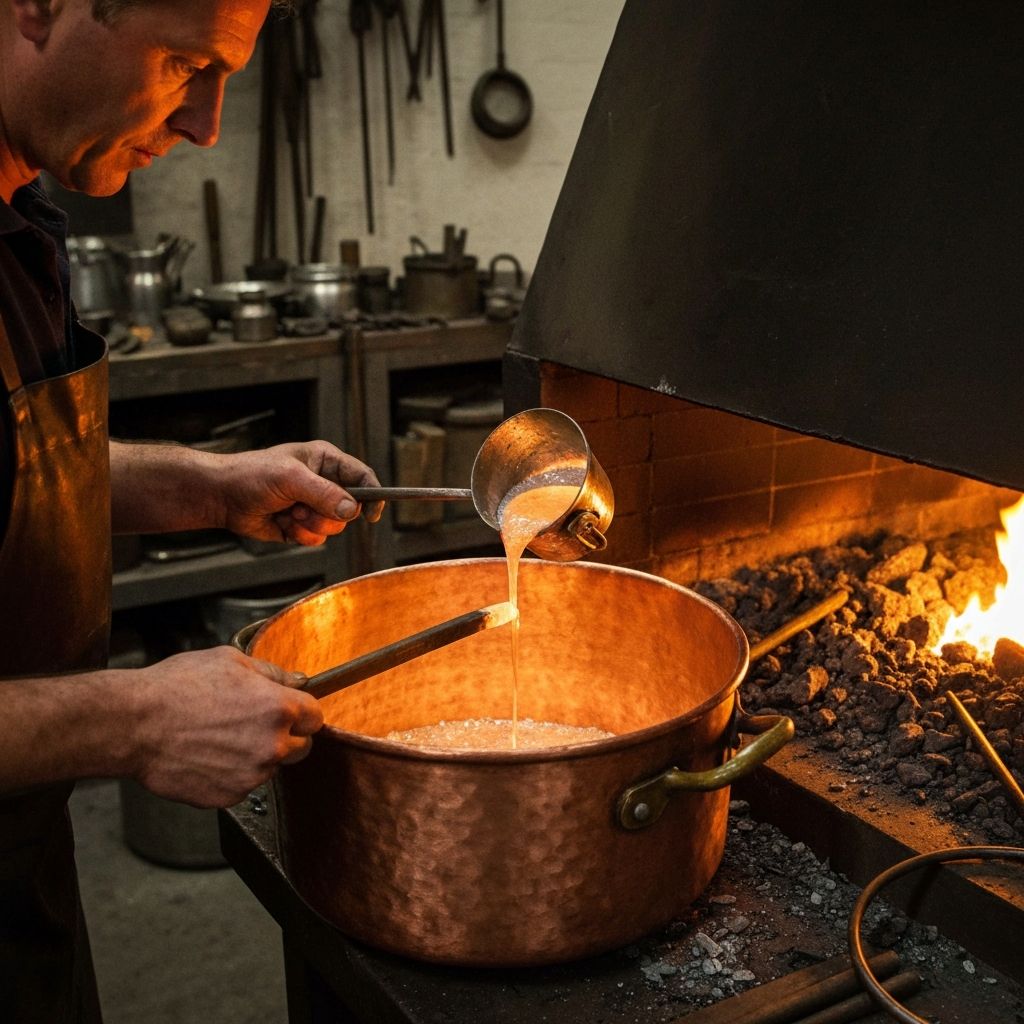
Understanding the Retinning Process for Tin-Lined Copper
If you choose tin-lined copper cookware, understanding retinning is essential. Retinning is a traditional restoration process where a skilled artisan applies a fresh layer of tin to the interior of your copper cookware, bringing it back to like-new condition.
With proper care, tin-lined copper typically requires retinning every 10-20 years depending on use frequency and cooking techniques. Signs that retinning is needed include exposed copper showing through the tin (copper patches visible on the interior), rough texture on the cooking surface, or reduced non-stick performance.
Professional retinning costs typically range from $100-$200 per piece depending on size. Many specialized copper cookware shops and artisan metalworkers offer retinning services. Ruffoni can also provide recommendations for qualified retinning professionals in your area.
Think of retinning like sharpening a high-quality knife—it's a normal part of maintaining professional-grade tools. Many chefs consider it a badge of honor, proof that their cookware is being used and loved.
Making Your Decision: Which Lining is Right for You?
Choose Tin-Lined (Historia) If You:
- Specialize in French sauces, Italian risotto, or delicate preparations
- Cook primarily at low-to-medium temperatures
- Value traditional craftsmanship and historical cooking methods
- Prefer naturally non-stick surfaces without coatings
- Are willing to invest in periodic maintenance for ultimate performance
- Want the fastest possible heat response for precision cooking
Choose Stainless Steel (Opus/Symphonia) If You:
- Love high-heat searing, browning, and achieving restaurant-quality crusts
- Want versatile cookware that goes from stovetop to oven to broiler
- Prefer using metal utensils and professional kitchen tools
- Need cookware that requires zero ongoing maintenance
- Want truly "buy it for life" durability with no retinning needed
- Cook a wide variety of dishes requiring different techniques
Still Unsure Which to Choose?
Many serious home cooks own both tin-lined and stainless steel-lined copper cookware, using each for their specific strengths. A small tin-lined saucepan for delicate sauces paired with a stainless steel-lined sauté pan for searing creates the ultimate cooking arsenal.